
How Solid Tires Reduce Maintenance Frequency in Factory Operations
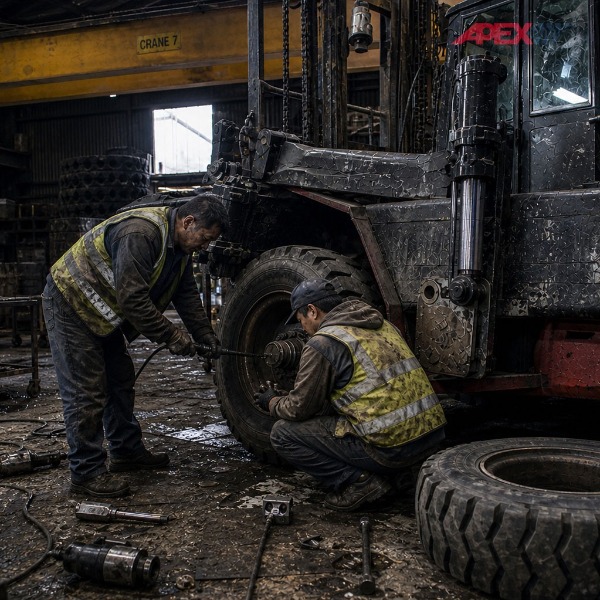
It's Not About Tires — It's About Reducing Maintenance Workload
In most factories, tire selection is treated as a simple purchasing decision.
But in reality, it directly impacts something much more critical:
👉 Your maintenance workload
The Real Problem: Maintenance Overload
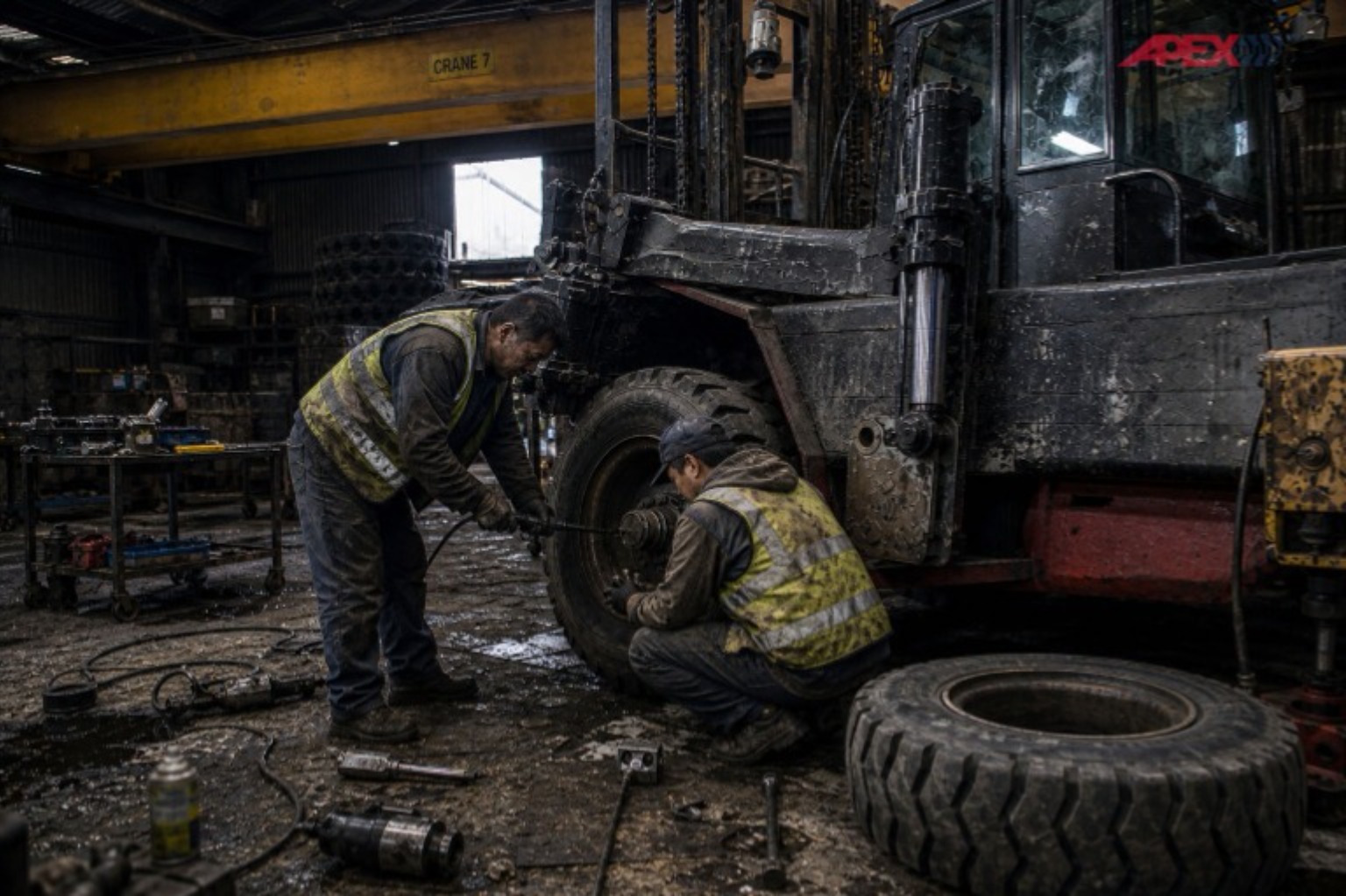
Every time a pneumatic tire fails, it triggers a chain reaction:
- Emergency repair requests
- Technician allocation
- Equipment downtime
- Disrupted workflow
This isn't just a tire issue — it's an operational burden on your maintenance team.
What Changes with Solid Tires?
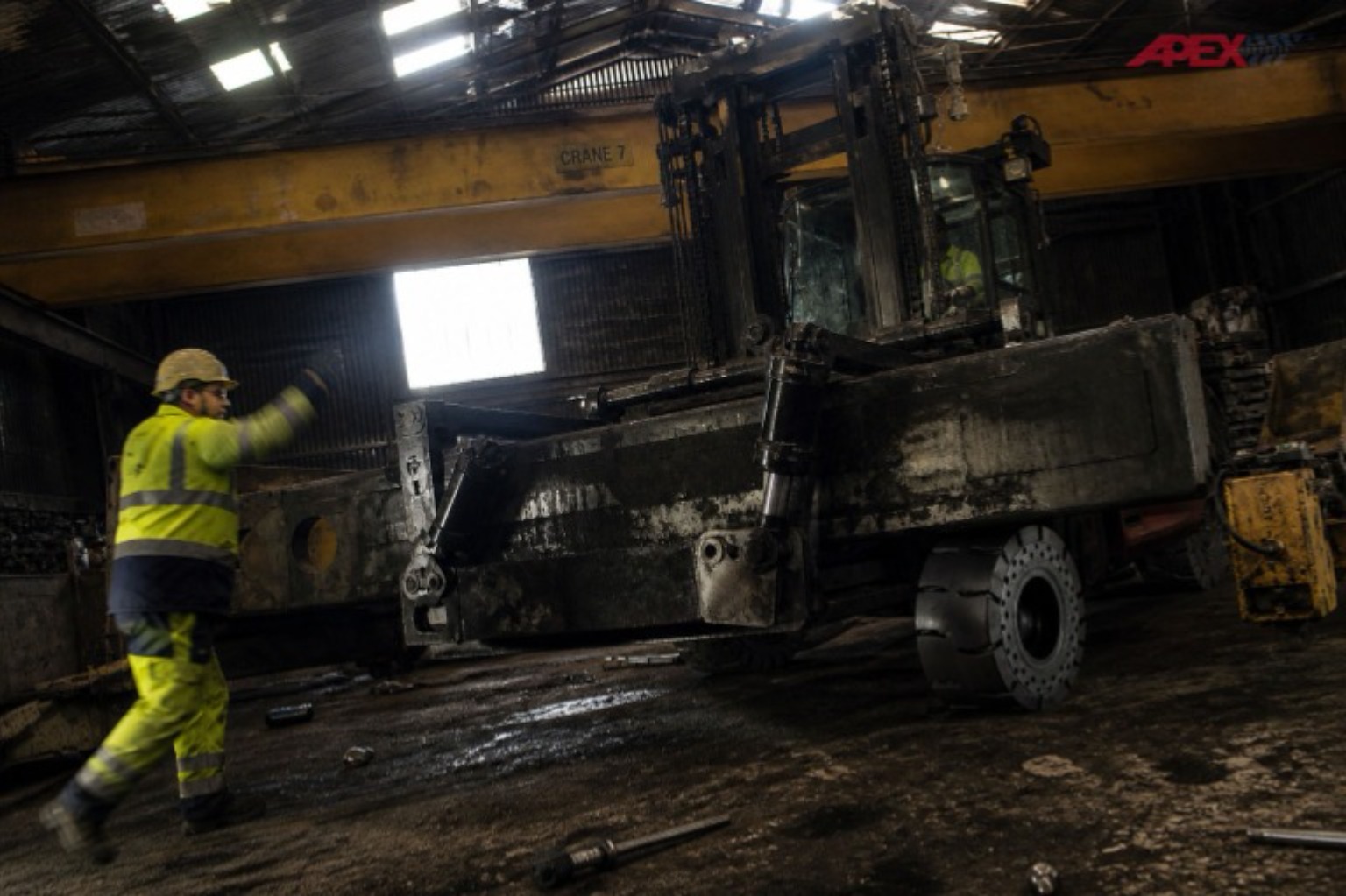
Solid tires eliminate the most common causes of maintenance:
- No punctures
- No air pressure checks
- No sudden failures
👉 Result: Maintenance shifts from reactive → predictable
|
Item |
Pneumatic Tire |
Solid Tire |
|
Tire-related maintenance (per month) |
6–8 times |
0–1 time |
|
Emergency repairs |
Frequent |
None |
|
Downtime incidents |
High |
Minimal |
|
Maintenance planning |
Unpredictable |
Stable |
Labor Impact (What Managers Actually Care About)
Let's translate that into manpower:
|
Factor |
Pneumatic Tire |
Solid Tire |
|
Technician hours / month |
~12–16 hrs |
~2–4 hrs |
|
Maintenance staff stress |
High |
Low |
|
Overtime probability |
Frequent |
Rare |
👉 Up to 70–80% reduction in maintenance workload
Why This Matters More Than Cost
Many factories still focus on tire price.
But the real cost sits here:
👉 Technician time
👉 Unplanned interruptions
👉 Maintenance scheduling chaos
Solid tires don't just last longer — they remove problems from your system.
Bottom Line
If your team is constantly:
- Fixing tire issues
- Responding to breakdowns
- Struggling with maintenance schedules
Then the issue isn't your team.
👉 It's your tire strategy.