
-

No Standard Rubber Product Fits? Here’s What Engineers Need to Know First
Developing a custom rubber part requires more than a photo or basic dimensions—load, movement, speed, temperature, environment, chemical exposure, and the current performance problem can all influence the final solution.
Preparing these seven key application details helps manufacturers evaluate the rubber compound, product structure, dimensions, and manufacturing feasibility more accurately. -
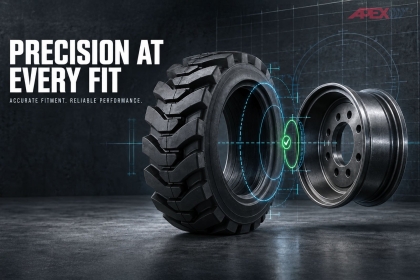
Why Tire Fitment Accuracy Matters More Than You Think
Correct solid tire fitment requires more than matching the tire size—it also depends on rim compatibility, mounting type, equipment specifications, load, and operating conditions.
Accurate fitment helps prevent premature tire damage, stability issues, installation problems, and costly equipment downtime. -
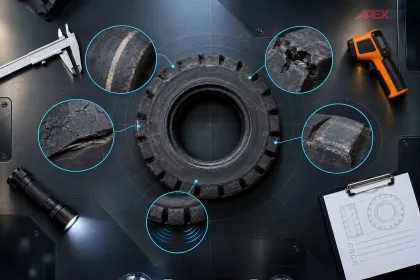
5 Signs Your Solid Tires Need Replacement Before Failure Happens
Solid tires rarely fail without warning—wear lines, chunking, cracks, uneven wear, and changes in handling can all signal that replacement is approaching.
Regular inspections and planned replacement help industrial fleets reduce unexpected downtime, improve safety, and extend equipment reliability. -
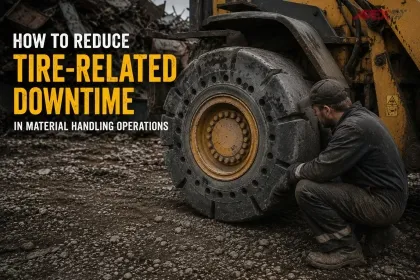
How To Reduce Tire-Related Downtime In Material Handling Operations
Tire-related downtime can disrupt material handling operations, delay shipments, and increase operating costs.
Proper tire selection, preventive inspections, planned replacement, and spare tire inventory can help keep equipment running and reduce unexpected stoppages. -
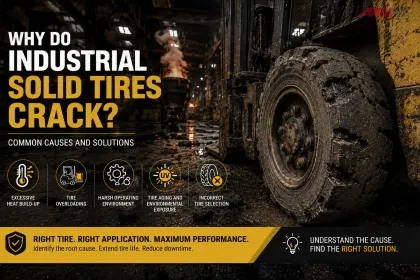
Why Do Industrial Solid Tires Crack? Common Causes And Solutions
Cracks in industrial solid tires can result from excessive heat, overloading, harsh working environments, aging, or improper tire selection.
Understanding the root cause helps maintenance teams prevent premature tire damage, reduce unexpected downtime, and extend tire service life. -
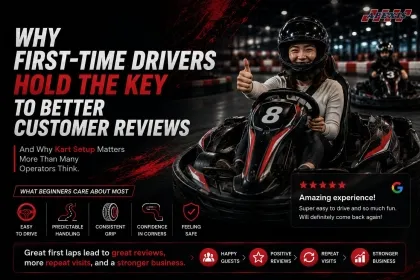
Why First-Time Drivers Hold The Key To Better Customer Reviews
First-time drivers often determine whether your rental track earns a five-star review or loses a future customer.
Discover how tire performance and predictable kart handling help beginners feel confident, enjoy their experience, and encourage repeat visits. -

What Makes Guests Feel A Kart Is "Easy To Drive"?
An easy-to-drive go kart is built on predictable handling, stable grip, and smooth steering—not just speed.
Learn how the right tire performance can improve guest confidence, enhance the driving experience, and encourage repeat visits to your rental track. -
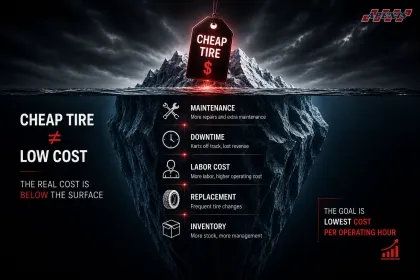
The Hidden Cost Of Cheap Go-Kart Tires
Cheap go kart tires may look attractive at first, but frequent replacement and inconsistent performance can create higher long-term costs.
For rental tracks, the smarter choice is to evaluate tire value by durability, consistency, downtime, and cost per operating hour. -
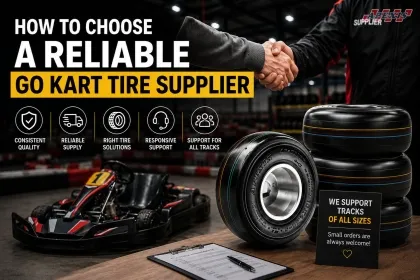
How To Choose A Reliable Go-Kart Tire Supplier
Choosing the right go kart tire supplier is about more than price—it affects tire consistency, operational efficiency, and long-term profitability.
This guide outlines five key factors rental track operators should evaluate before selecting a tire partner. -
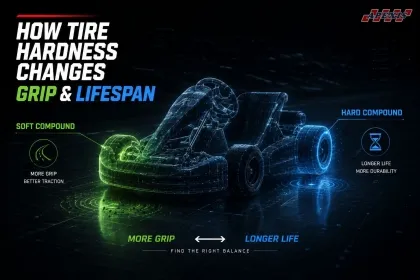
How Tire Hardness Changes Grip And Lifespan
Tire hardness plays a crucial role in determining grip, wear rate, and overall operating costs for rental go-kart fleets.
Choosing the right compound for your track conditions can improve driver experience while reducing tire replacement frequency and maintenance expenses. -
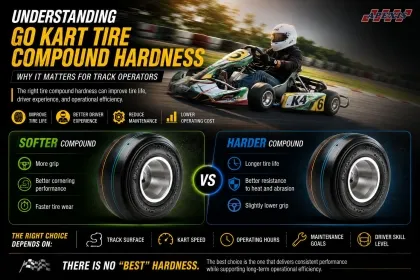
Understanding Go-Kart Tire Compound Hardness
Tire compound hardness directly influences grip, wear rate, maintenance requirements, and overall operating costs in rental kart operations.
By selecting the right compound for track conditions, operators can achieve a better balance between tire life, customer satisfaction, and profitability. -
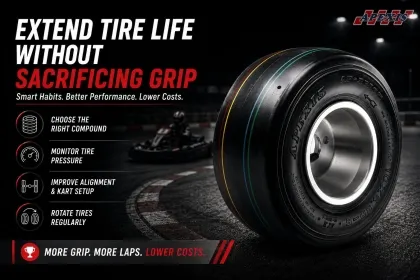
How To Extend Tire Life Without Sacrificing Grip
Extending tire life and maintaining grip do not have to be opposing goals in rental go-kart operations.
With the right tire compound, proper maintenance practices, and optimized kart setup, operators can lower tire costs while delivering a consistent on-track experience. -
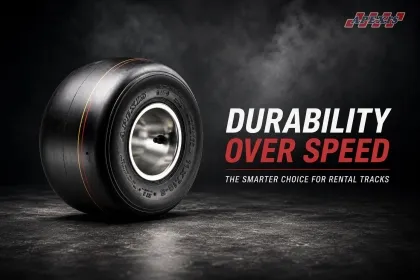
Why Tire Durability Matters More Than Speed For Rental Tracks
In rental go-kart operations, tire durability often has a bigger impact on profitability than maximum grip or lap speed.
Longer-lasting tires help reduce downtime, lower maintenance costs, and keep more karts on the track generating revenue. -
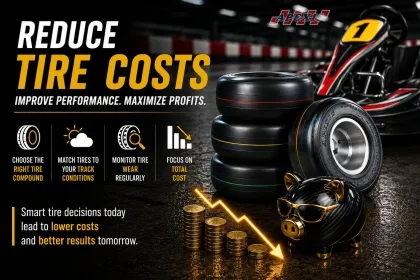
How to Reduce Tire Costs in Rental Go Kart Operations
Reducing tire costs in rental go kart operations is not just about buying cheaper tires—it is about maximizing the value of every tire used.
By selecting the right compound, monitoring wear, and evaluating total operating cost, operators can improve profitability while maintaining a consistent customer experience. -
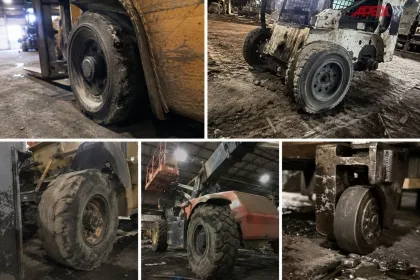
Why Your Tire Size Doesn't Fit Your Machine
Many tire performance problems are caused by improper fit rather than incorrect tire size.
By considering factors like diameter, width, load requirements, and machine clearance, operators can improve stability, reduce wear, and extend tire lifespan.
SEARCH PRODUCT