
The Impact of Tire Design on Soil Health and Crop Yields
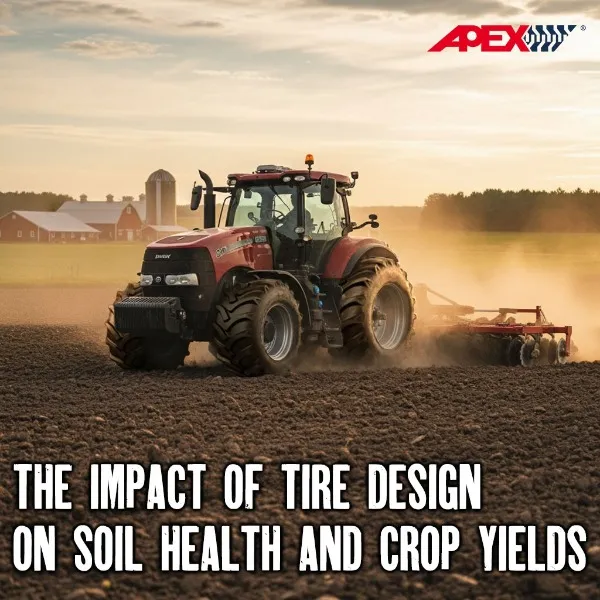
Oil health is the foundation of successful farming—and the tires you choose for your agricultural equipment can make a major difference. Tire design directly impacts soil compaction, root development, and, ultimately, crop yields.
Here's how:
1. Soil Compaction Matters
Excessive soil compaction caused by heavy equipment and improper tire selection restricts root growth and water infiltration. This leads to reduced crop yields and long-term soil degradation.
2. Flotation Tires Protect Your Fields
Tires designed for flotation spread the machine’s weight across a wider area, minimizing soil compression. This maintains the soil’s structure and preserves its fertility over time.
3. Tread Design Influences Field Performance
Tires with optimized tread designs allow smoother movement across fields with minimal disruption to the topsoil. Aggressive treads may be necessary for traction but should balance with soil protection needs.
4. Air Pressure Adjustment Is Critical
The ability to fine-tune air pressure based on load and field conditions prevents unnecessary compaction during sensitive planting or harvesting operations.
At [Your Company Name], our agricultural tires are developed with advanced tread patterns and optimized carcass designs to reduce soil compaction and enhance yield potential—helping farmers achieve more sustainable and profitable operations.
Link:
Choosing Agricultural Tires That Boost Farm Efficiency – What Every Operator Should Know