


Why Tires Fail in High-Temperature Environments
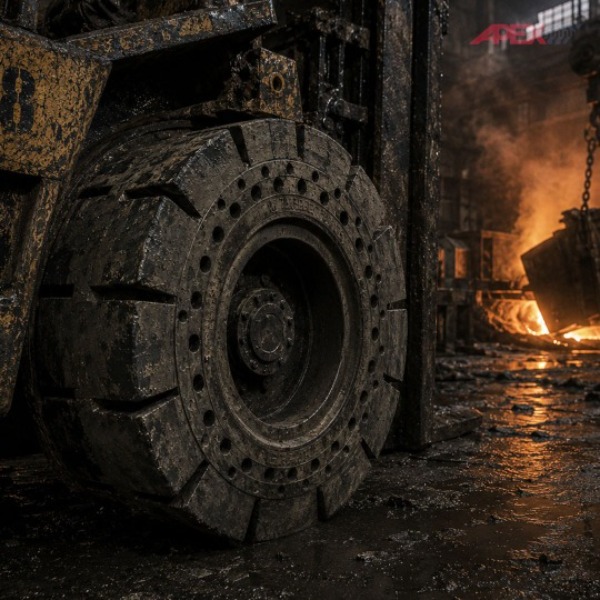
How Solid Tires Solve It
In high-temperature environments like steel mills and recycling yards, tire failure is not random — it is predictable.
👉 The real cause is not load or sharp objects.
👉 It's heat.
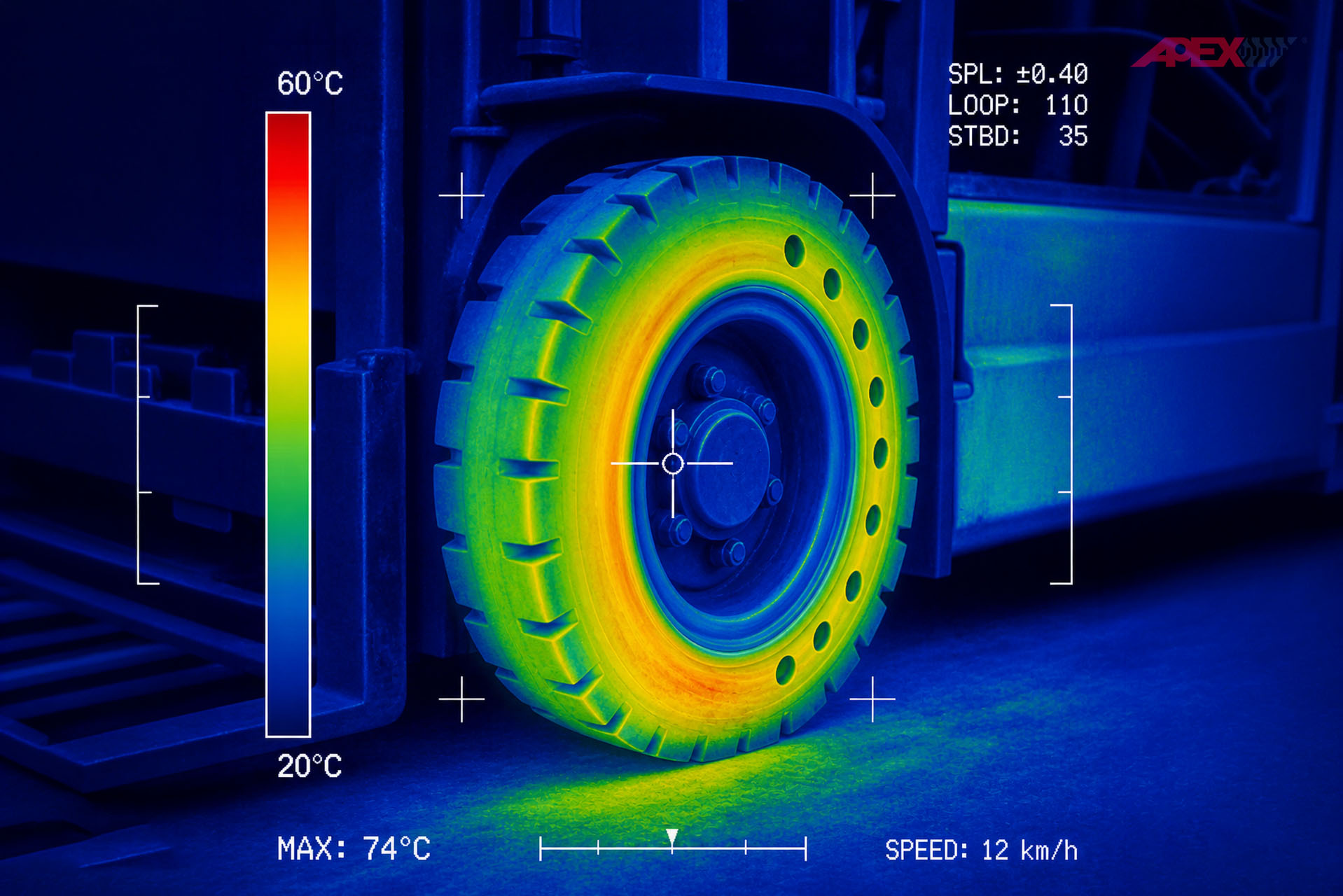
🔍 Heat = The Hidden Killer
Continuous operation generates internal heat inside the tire, leading to:
- Rubber softening
- Faster wear
- Structural damage
- Sudden failure
📊 Temperature vs Rubber Performa
|
Temperature |
Rubber Condition |
Result |
|
20–40°C |
Stable |
Normal use |
|
40–80°C |
Softening |
Faster wear |
|
80–120°C |
Degrading |
Damage begins |
|
>120°C |
Breakdown |
Failure |
👉 Once overheating starts, failure accelerates quickly.
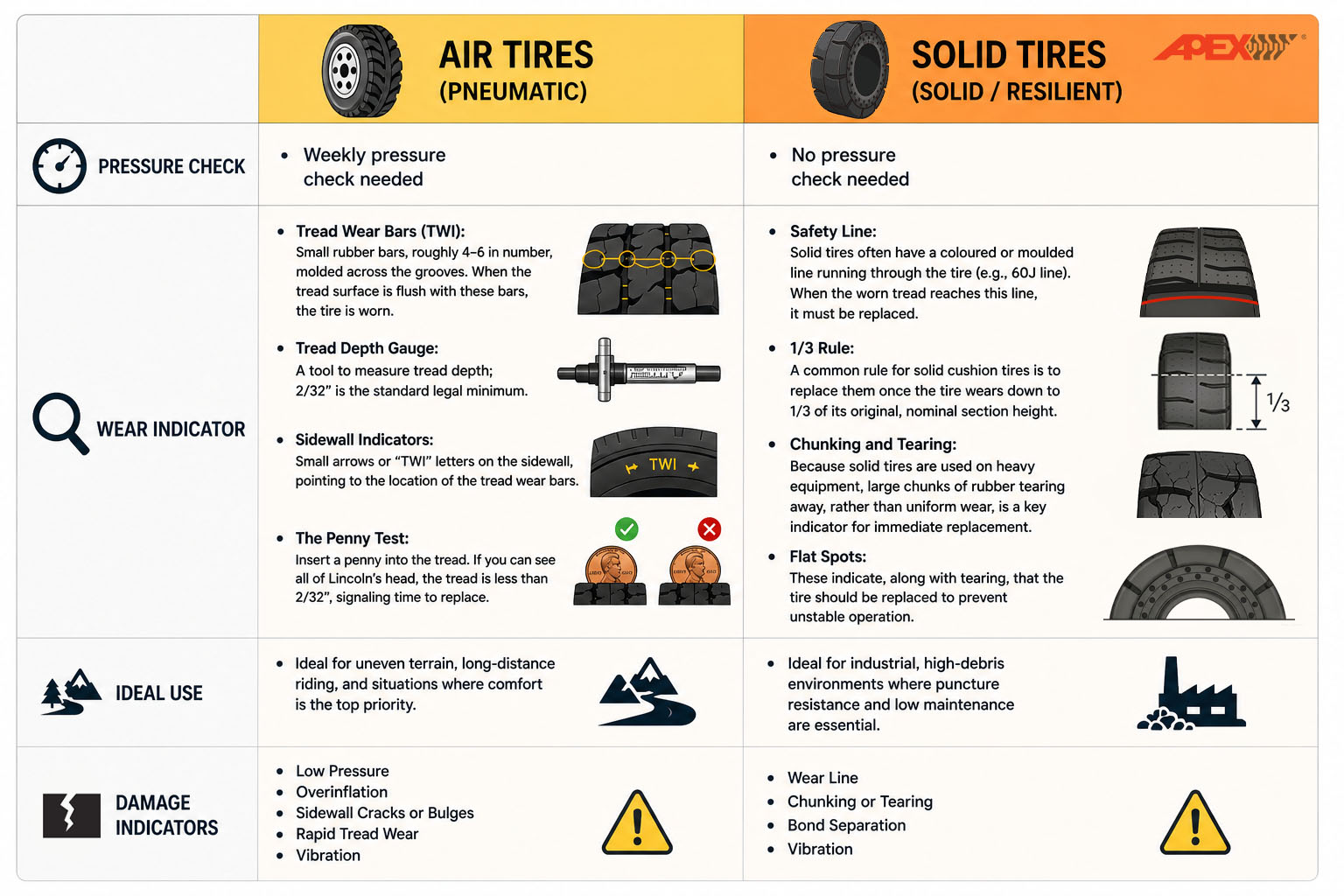
⚠️ Pneumatic vs Solid Tires (High Heat)
|
Criteria |
Pneumatic |
Solid |
|
Heat buildup |
High |
Low |
|
Blowout risk |
High |
Zero |
|
Stability |
Unstable |
Stable |
|
Heavy-duty use |
Limited |
Ideal |
👉 Key difference:
No air = No blowout risk
🏭 What This Means in Reality
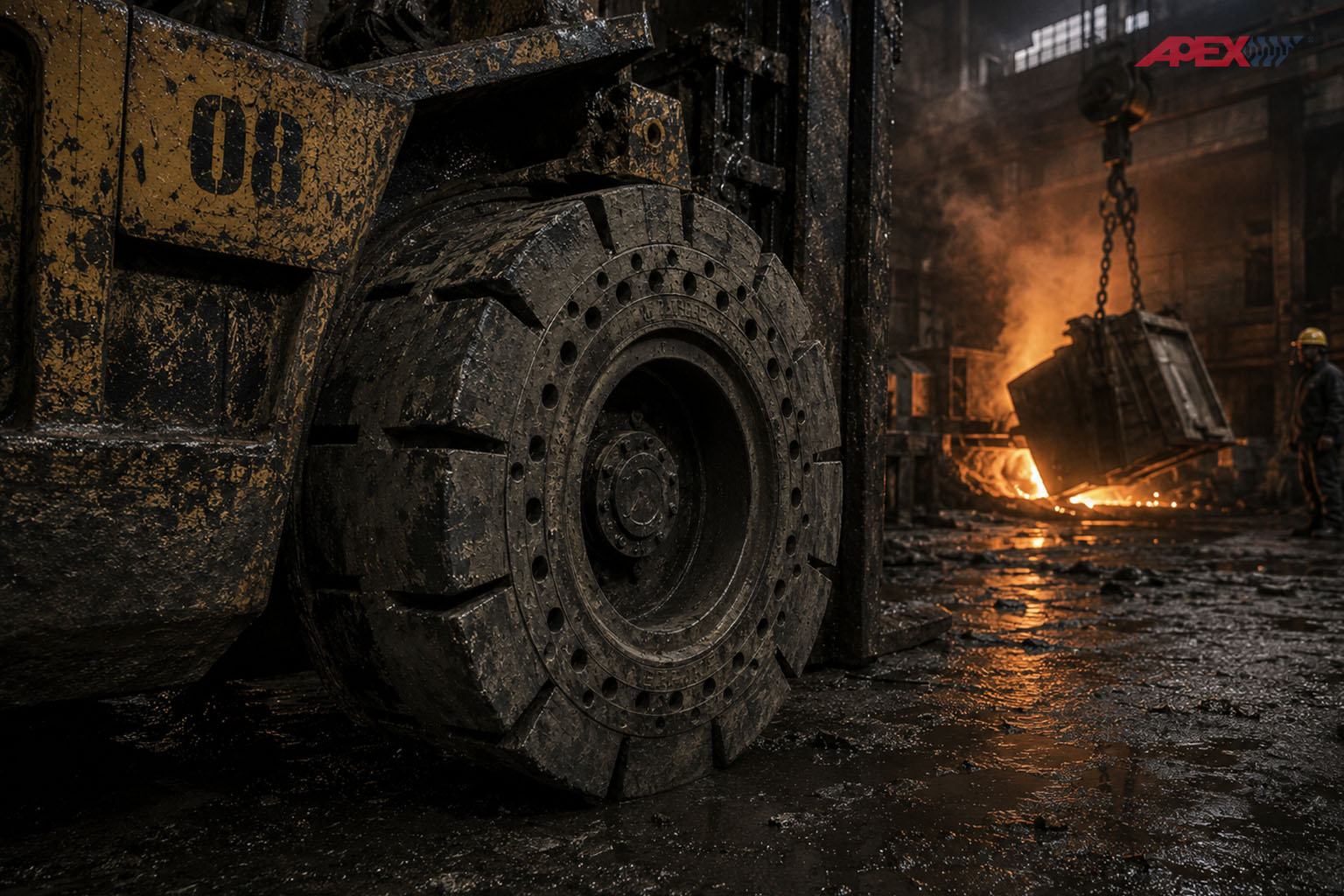
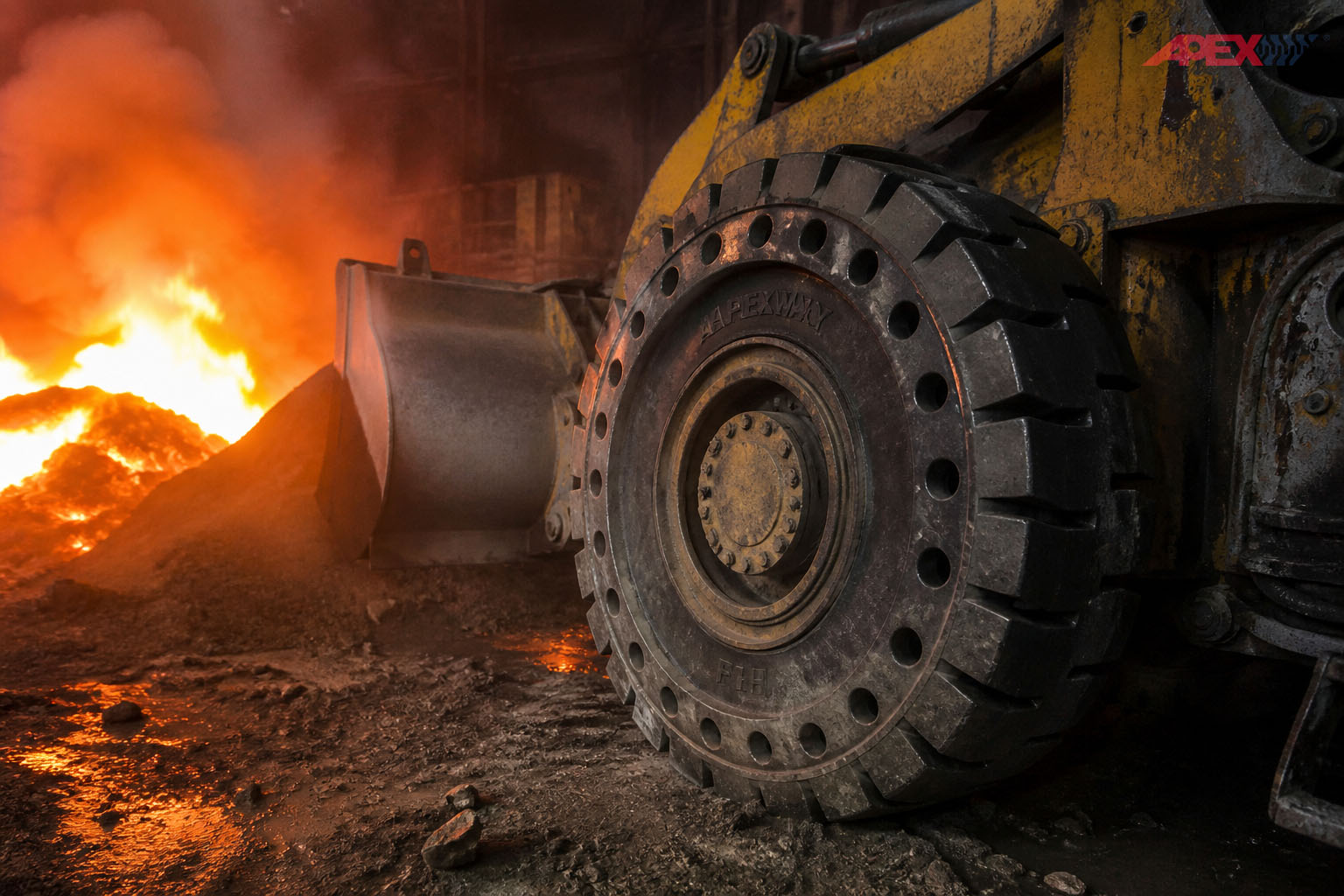
In high-heat environments, this leads to:
- Unexpected breakdowns
- Frequent replacements
- Downtime losses
👉 Not random problems — systematic heat failure
💡 Why Solid Tires Work
- No internal pressure
- Heat-resistant structure
- Stable under continuous load
👉 Result:
- No blowouts
- Predictable wear
- Less downtime
📌 Final Thought
If you are operating in high-temperature or harsh environments and experiencing frequent tire issues,
it may be time to re-evaluate your tire selection strategy.