

-
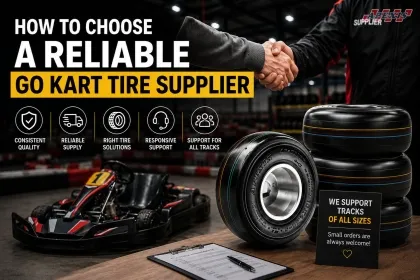
How To Choose A Reliable Go-Kart Tire Supplier
Choosing the right go kart tire supplier is about more than price—it affects tire consistency, operational efficiency, and long-term profitability.
This guide outlines five key factors rental track operators should evaluate before selecting a tire partner. -
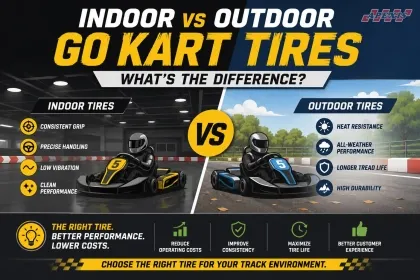
Indoor Go-Kart Tires vs Outdoor Go-Kart Tires: What's the Difference?
Indoor and outdoor go kart tracks create very different operating conditions, making tire selection critical for performance and cost control.
Choosing a tire designed for your specific environment can improve grip, extend tire life, and reduce overall maintenance expenses. -
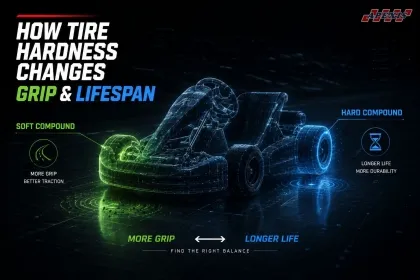
How Tire Hardness Changes Grip And Lifespan
Tire hardness plays a crucial role in determining grip, wear rate, and overall operating costs for rental go-kart fleets.
Choosing the right compound for your track conditions can improve driver experience while reducing tire replacement frequency and maintenance expenses. -
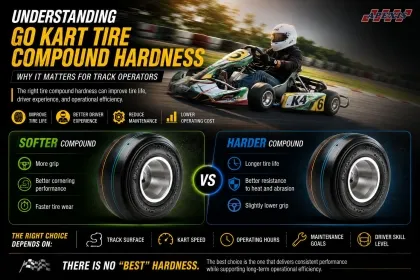
Understanding Go-Kart Tire Compound Hardness
Tire compound hardness directly influences grip, wear rate, maintenance requirements, and overall operating costs in rental kart operations.
By selecting the right compound for track conditions, operators can achieve a better balance between tire life, customer satisfaction, and profitability. -
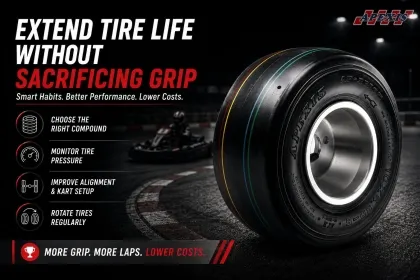
How To Extend Tire Life Without Sacrificing Grip
Extending tire life and maintaining grip do not have to be opposing goals in rental go-kart operations.
With the right tire compound, proper maintenance practices, and optimized kart setup, operators can lower tire costs while delivering a consistent on-track experience. -
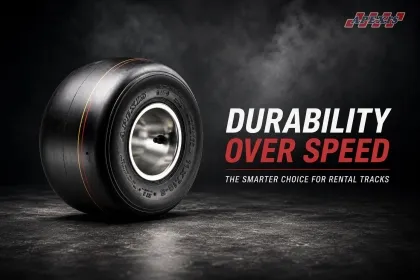
Why Tire Durability Matters More Than Speed For Rental Tracks
In rental go-kart operations, tire durability often has a bigger impact on profitability than maximum grip or lap speed.
Longer-lasting tires help reduce downtime, lower maintenance costs, and keep more karts on the track generating revenue. -
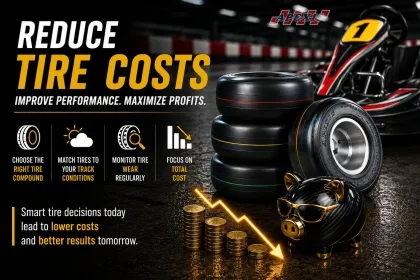
How to Reduce Tire Costs in Rental Go Kart Operations
Reducing tire costs in rental go kart operations is not just about buying cheaper tires—it is about maximizing the value of every tire used.
By selecting the right compound, monitoring wear, and evaluating total operating cost, operators can improve profitability while maintaining a consistent customer experience. -
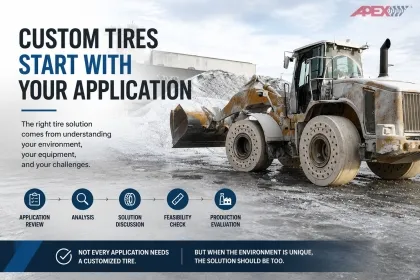
How Custom Industrial Tire Projects Actually Work
Many industrial tire problems are caused by a mismatch between the tire, the machine, and the operating environment rather than tire quality alone.
By evaluating real-world application conditions, operators can identify tire solutions that improve lifespan, reduce maintenance, and enhance overall performance. -
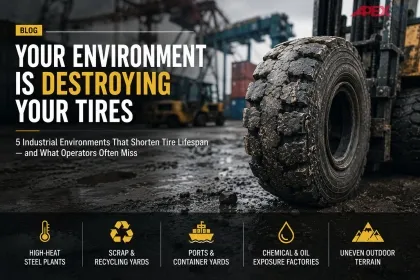
Your Environment Is Destroying Your Tires Faster Than You Think
The same industrial tire can perform very differently depending on temperature, terrain, debris, operating hours, and chemical exposure.
Understanding your working environment is the first step toward selecting a tire that delivers longer life, lower maintenance, and more reliable performance. -
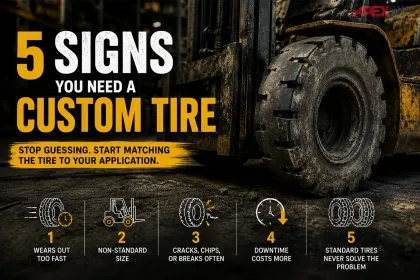
5 Signs You Need a Custom Tire
If your tires wear out too quickly, crack frequently, or never fully solve the same operational problem, a standard tire may not be the right fit.
Understanding your machine, environment, and workload can help identify when a custom tire solution is the better long-term investment. -
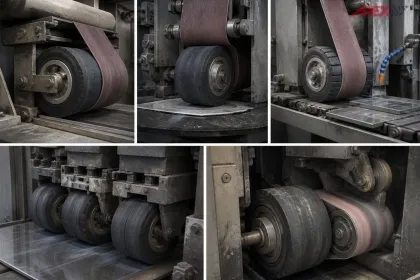
Why One Tire Doesn't Fit All Machines
Many industrial machines require more than a standard tire size—they need a tire designed for a specific function and operating condition.
Whether used for conveying, rotating, traction, or contact applications, the right custom tire solution can improve performance, lifespan, and machine efficiency. -
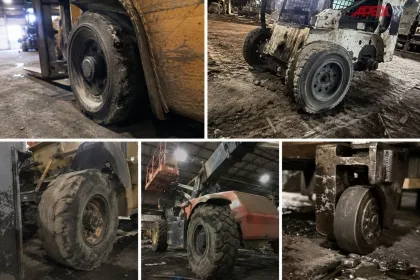
Why Your Tire Size Doesn't Fit Your Machine
Many tire performance problems are caused by improper fit rather than incorrect tire size.
By considering factors like diameter, width, load requirements, and machine clearance, operators can improve stability, reduce wear, and extend tire lifespan. -
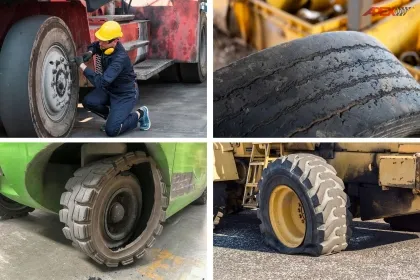
Why Tires Fail in Harsh Industrial Environments
Many tire failures occur because the tire is not designed for the actual working environment.
Matching the right compound, structure, and tread design to the application can significantly improve tire life, reduce downtime, and lower total operating costs. -
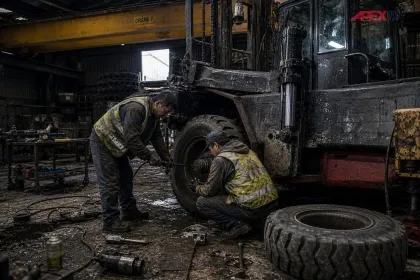
How Solid Tires Reduce Maintenance Frequency in Factory Operations
Solid tires eliminate punctures, air pressure maintenance, and unexpected tire failures, helping factories reduce maintenance workload and downtime.
By shifting maintenance from reactive repairs to predictable planning, solid tires can improve efficiency while lowering long-term operating costs. -
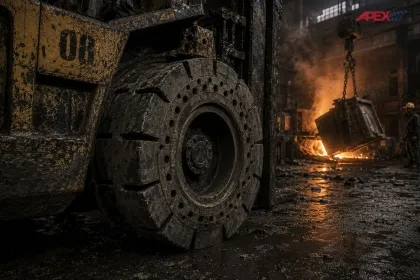
Why Tires Fail in High-Temperature Environments
In high-temperature environments, heat buildup can cause rubber softening, accelerated wear, structural damage, and unexpected tire failure.
Solid tires eliminate blowout risks and provide more stable performance, making them a dependable choice for demanding industrial applications.
SEARCH PRODUCT